
Supporting biodiversity and species conservation through fauna habitat assessments
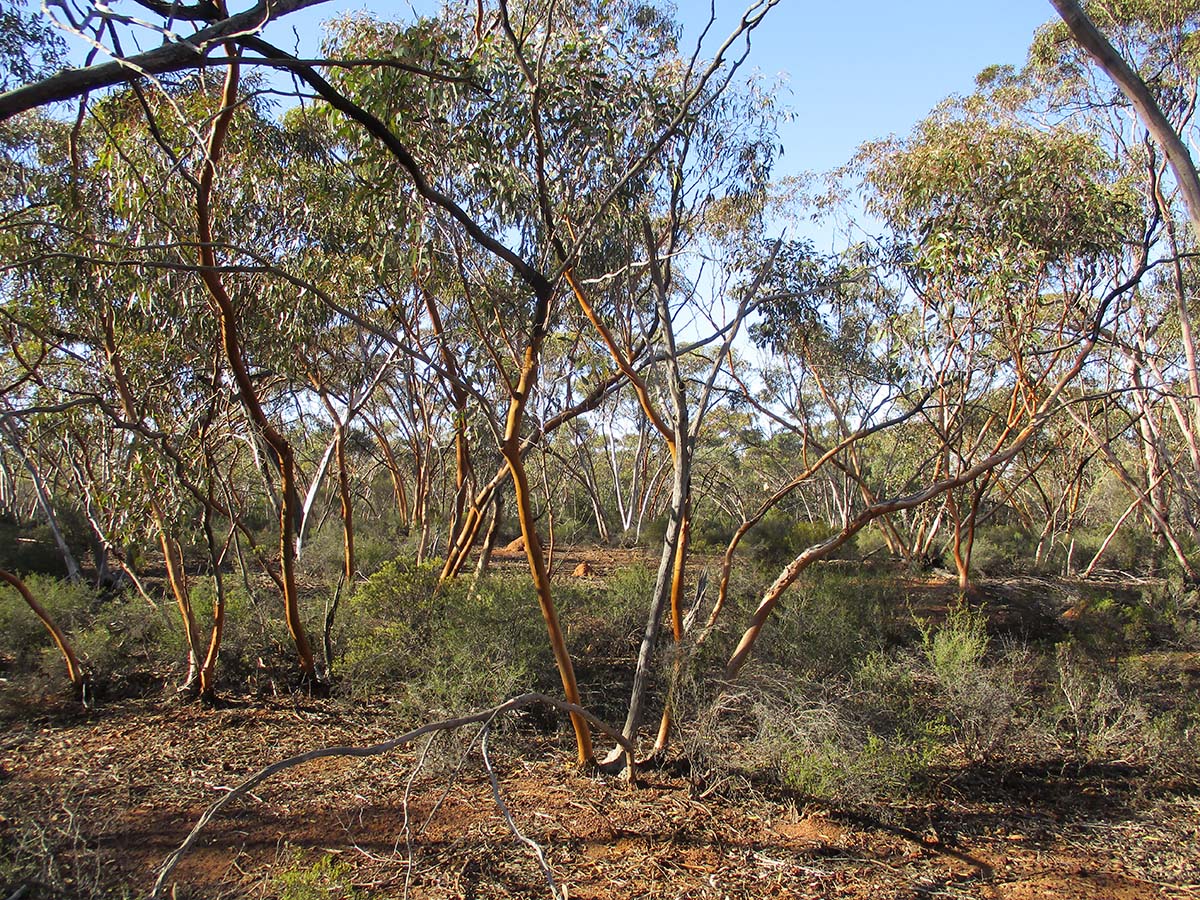
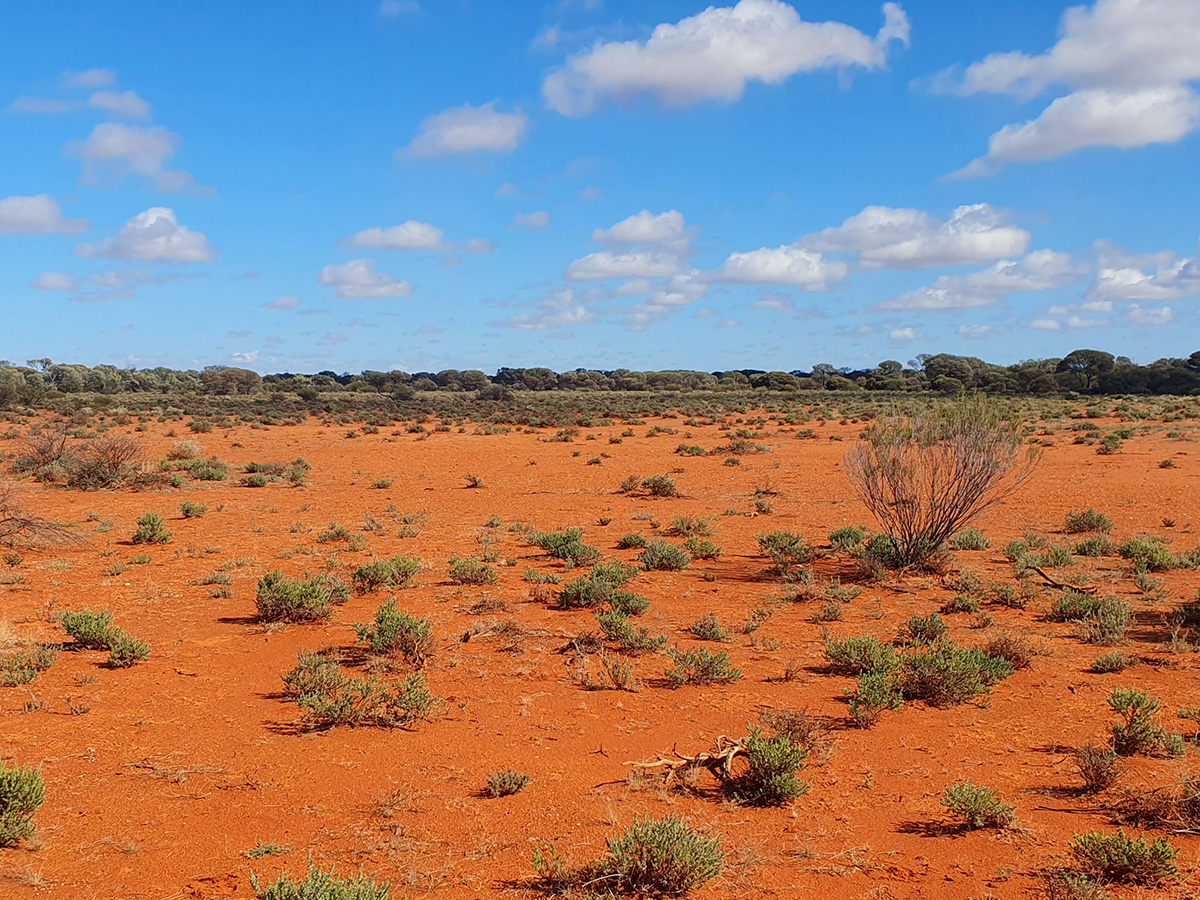
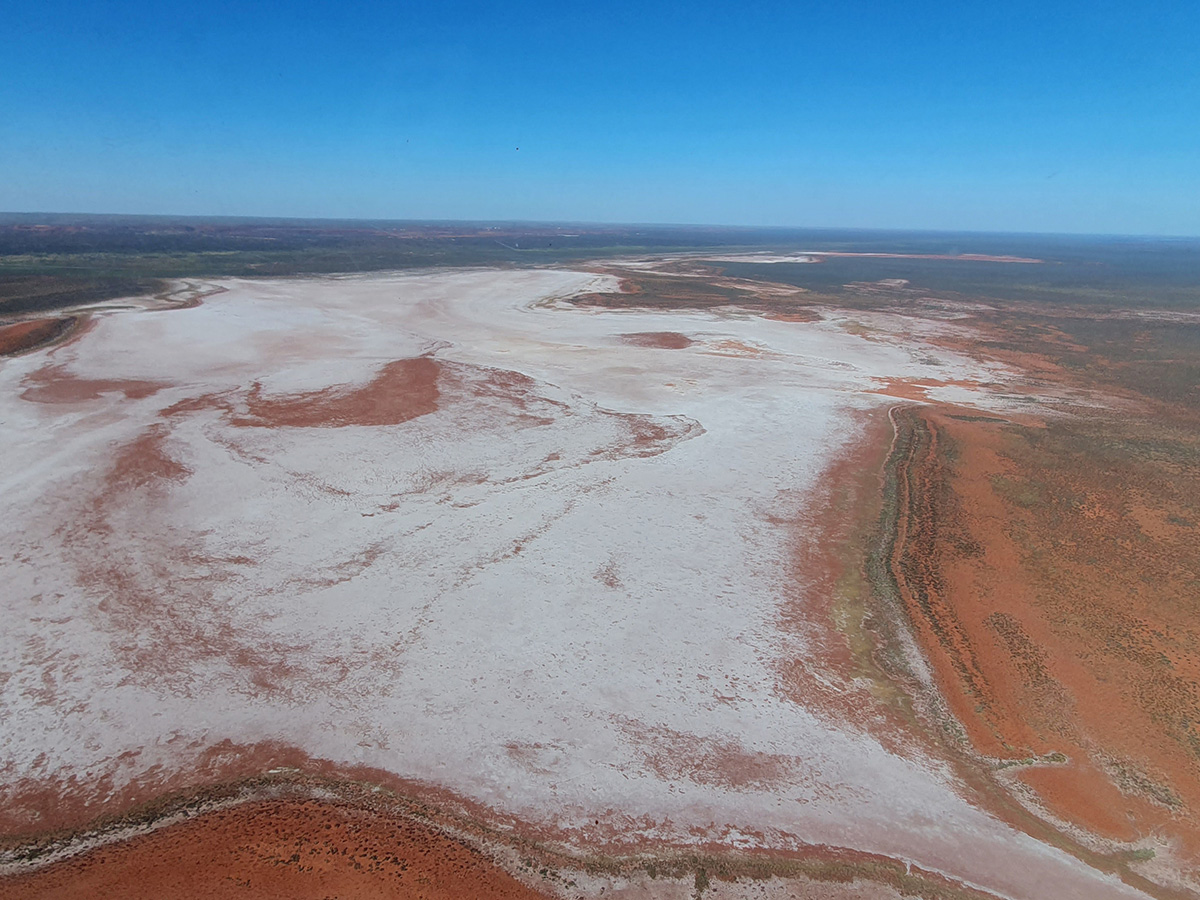
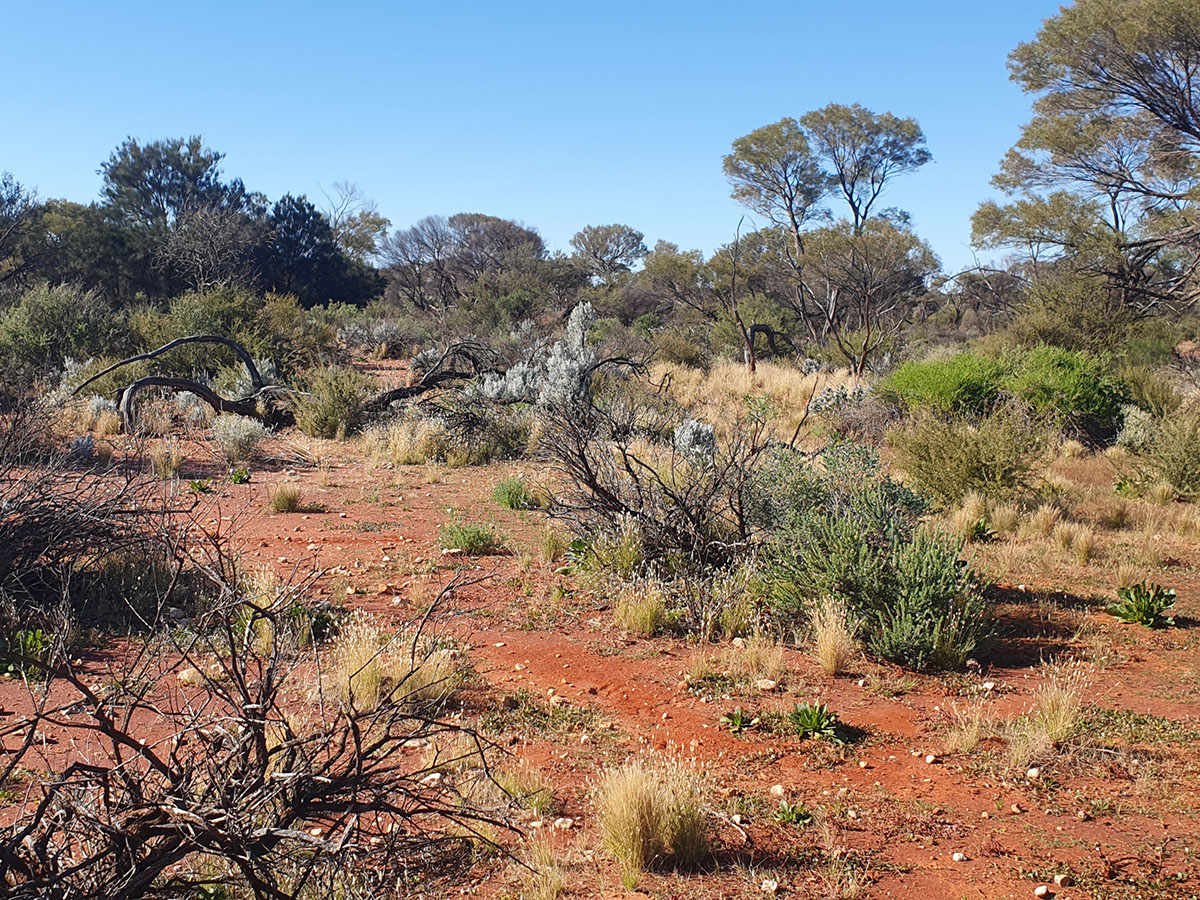
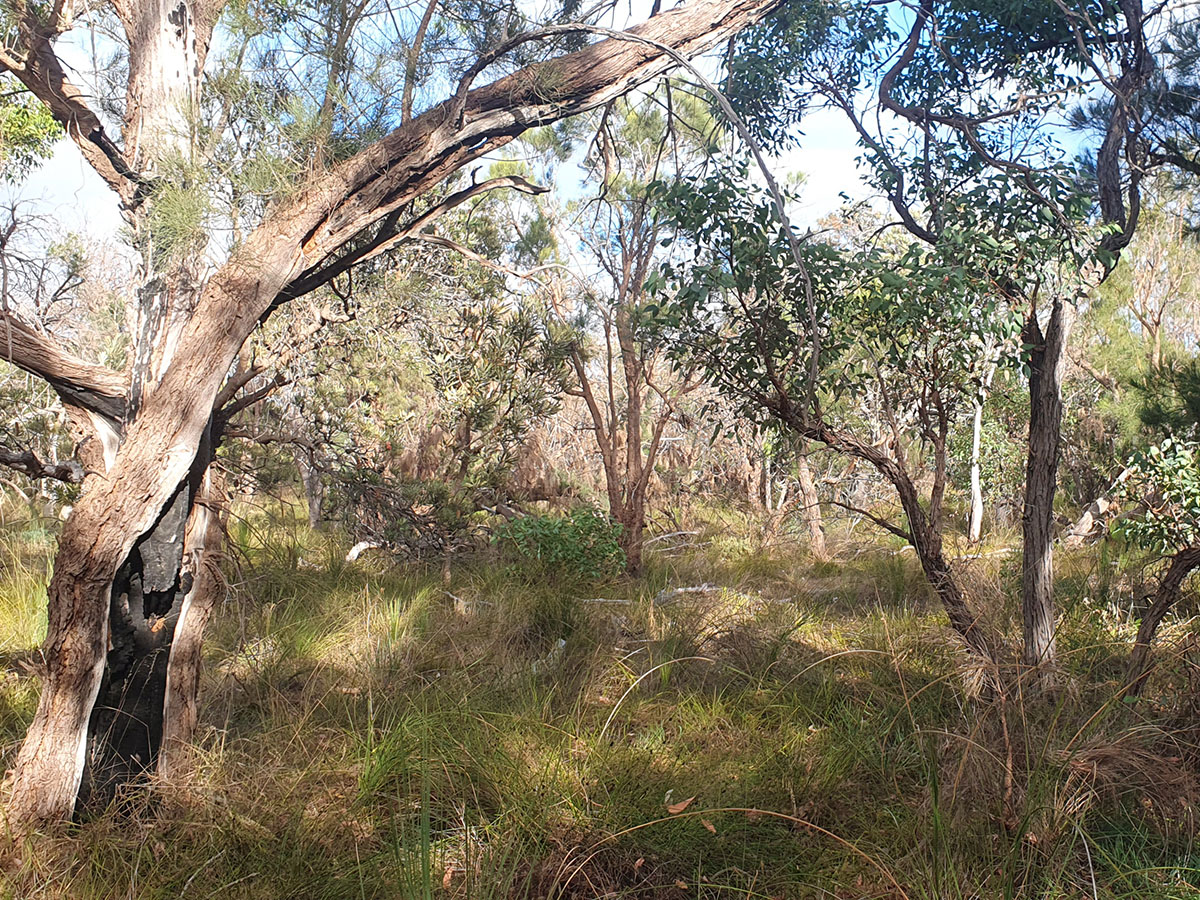
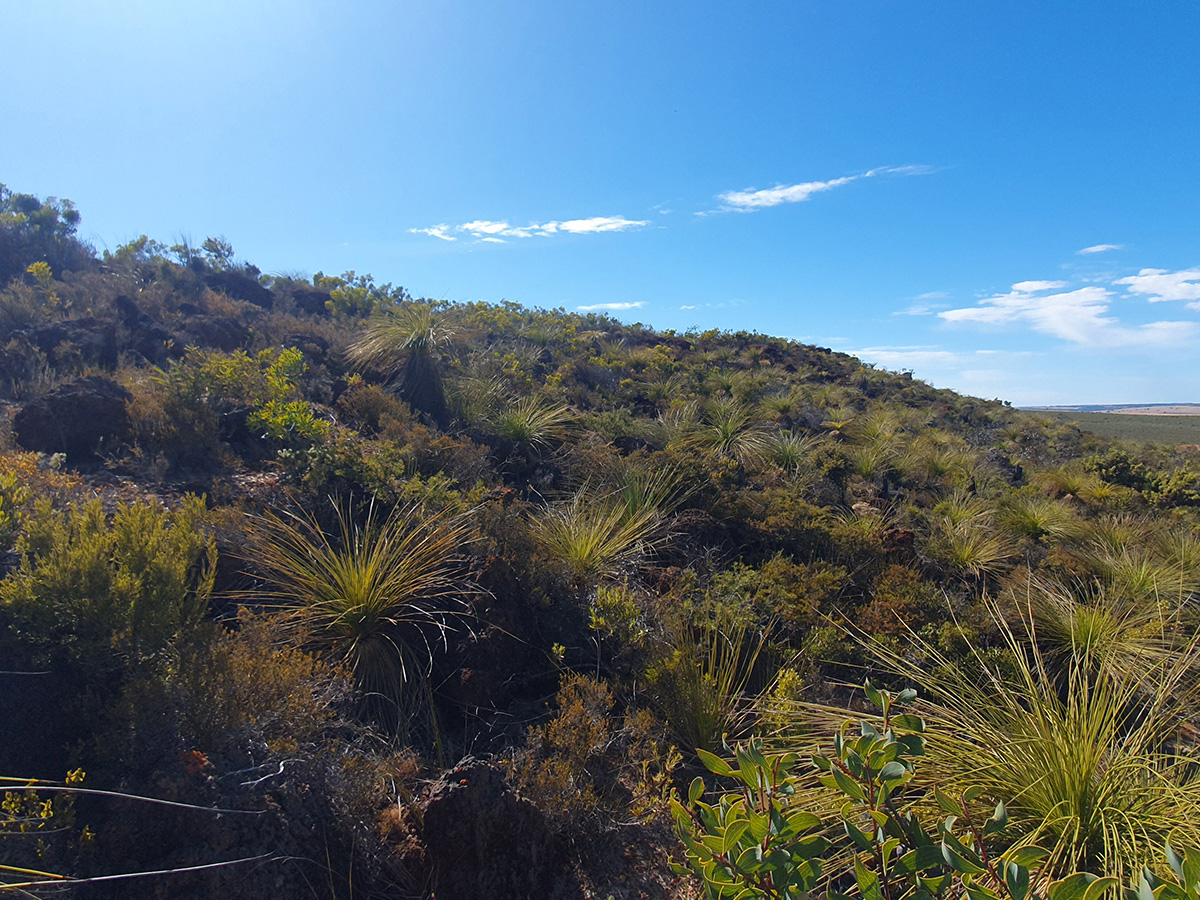
Fauna habitat assessments are an essential tool in fauna surveys
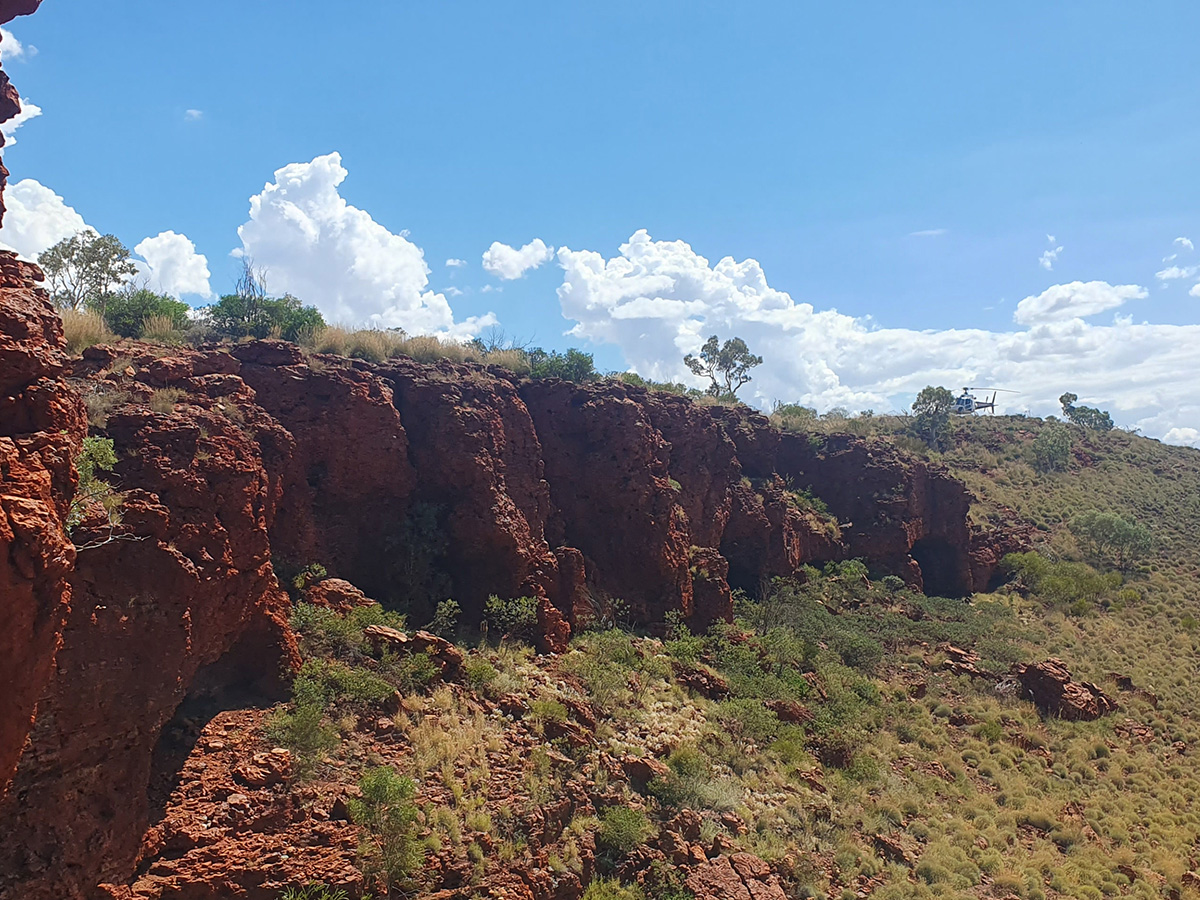
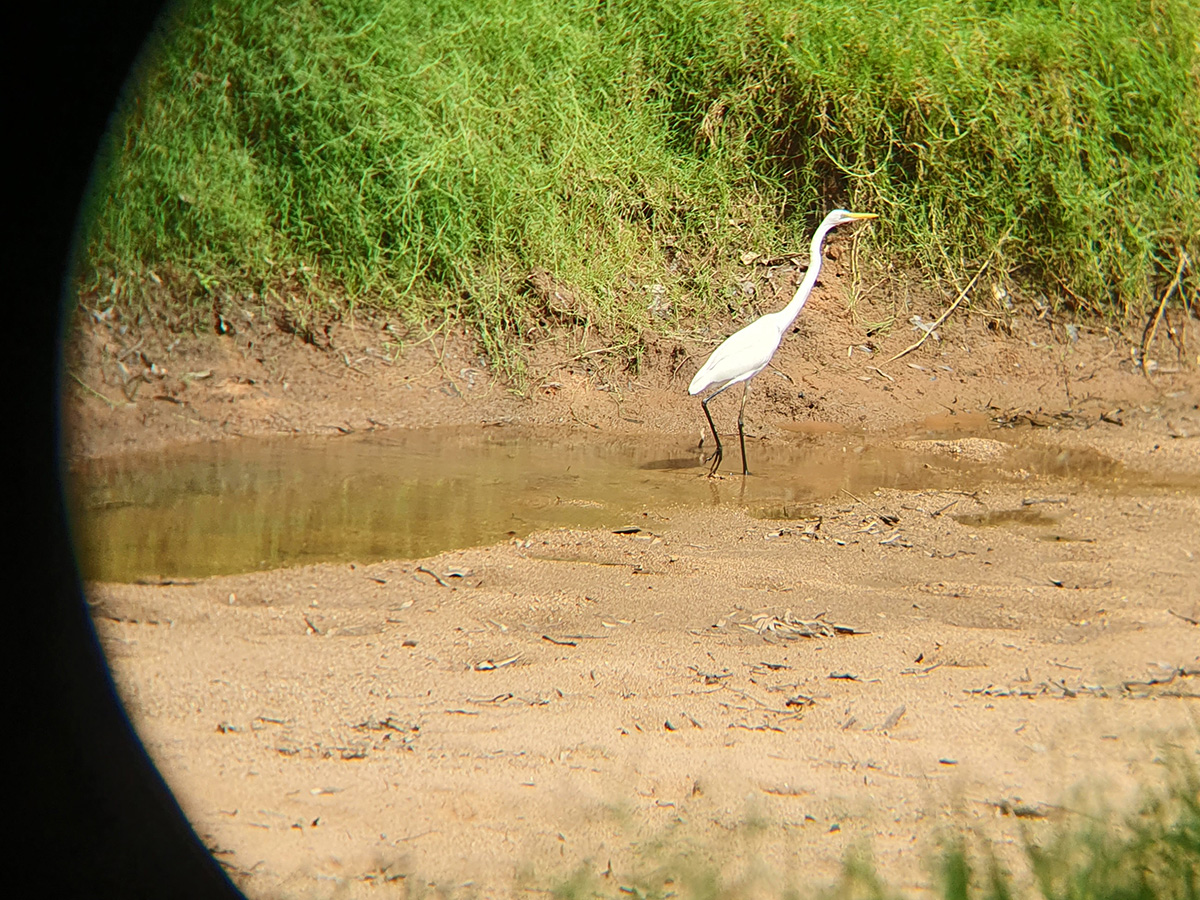
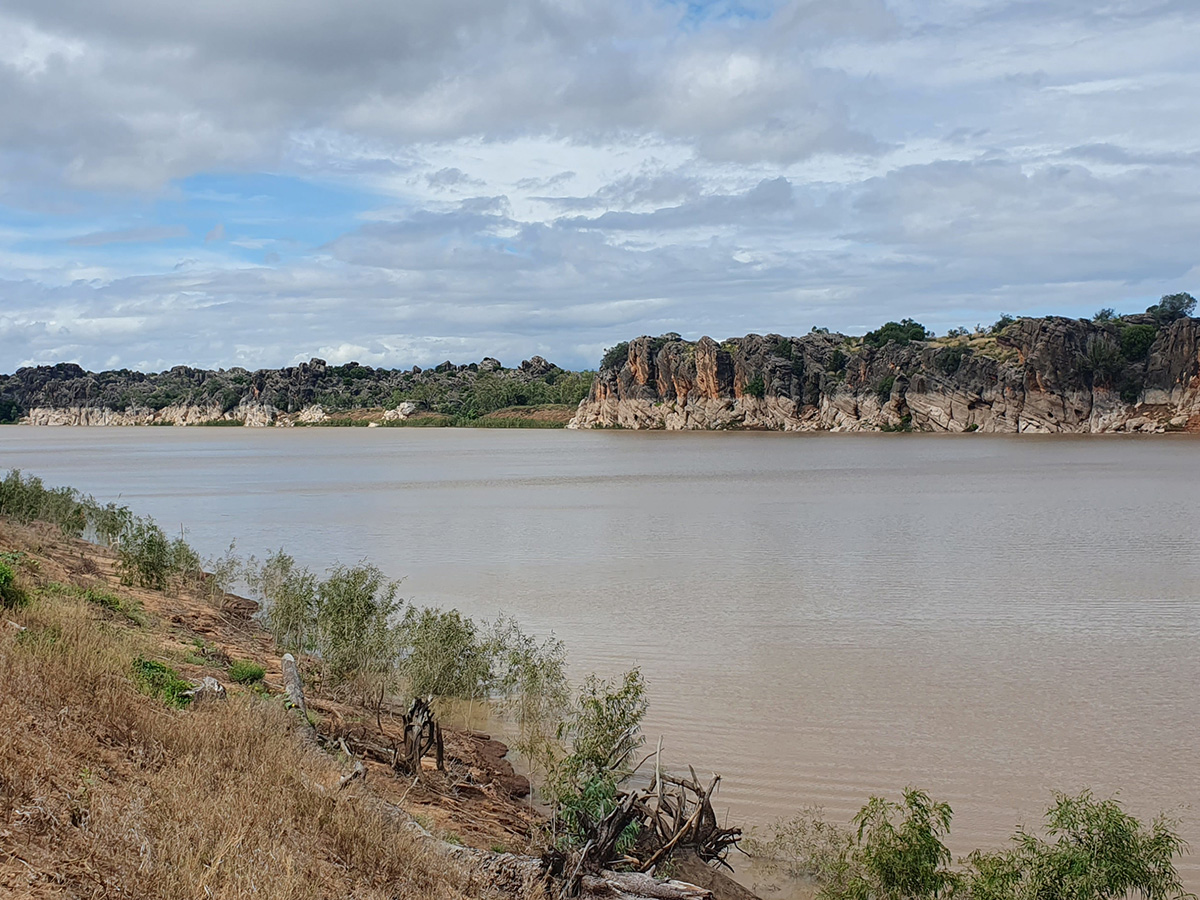
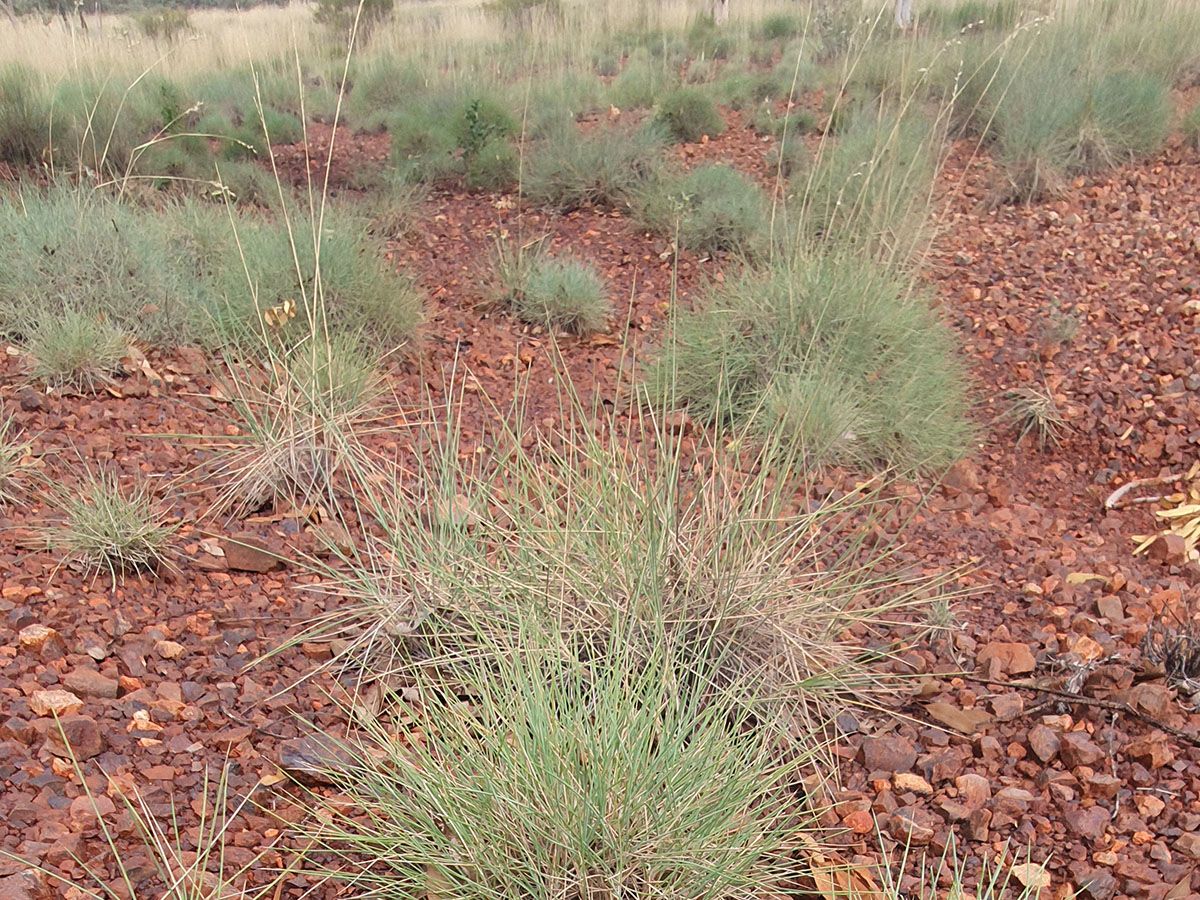
Fauna habitats are areas that stand out from their surroundings due to differences in landforms, soils, and vegetation. They provide essential resources for various fauna species or groups. Habitat assessment is a critical component of fauna surveys because:
• Some species may not be present at the time of survey, as they may only use the habitat at certain times (e.g. for breeding or foraging). Assessing habitat allows us to understand whether an area could support specific species.
• Understanding the habitats within an area helps target particular species for more detailed searches.
• It assists in predicting what types of fauna may be present.
• It identifies features important to different species or fauna groups, such as caves, rocky outcrops, wetlands, and key food sources.
• It helps identify areas with limited extents or significant features, such as wetlands and river pools.
Habitat assessments can be broadscale, identifying general habitat types for broader fauna groups (such as woodland birds or burrowing animals), or highly specific, focussing on particular species and their foraging or breeding habitats, such as those required by Black Cockatoos, Northern Quolls, or Malleefowl.
